Recycling and Sustainability at Tommys Rubbish
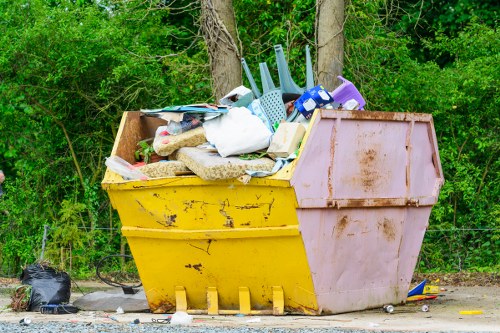 Tommys Rubbish is committed to building a greener, cleaner community through practical recycling and sustainable waste management. Our approach combines clear targets, local infrastructure, charity partnerships and a transition to low-carbon vehicles to reduce environmental impact. We work with residents, businesses and borough councils to ensure every collection contributes to a circular economy where materials are recovered, reused and recycled wherever possible.
As Tommy's Rubbish expands services across the area we align closely with local borough policies that vary between kerbside-separated recycling and co-mingled collections. In some boroughs there is a strong emphasis on separate food waste and glass streams, while others operate mixed-recycling crates; our teams adapt container handling and sorting to meet those local requirements and improve capture rates.
![A blue rubbish bin situated on a dirt roadside near a thin strip of grass and gravel, overflowing with tightly packed yellow and clear plastic bags of waste, some of which are spilling onto the ground around the bin. The background features a line of dense green trees and shrubbery under a clear blue sky, suggesting a rural or semi-rural environment. The scene appears to be outdoors, with the waste bin positioned on the edge of a country lane or service road, potentially part of local rubbish collection or disposal activity. This setting relates to rubbish removal services that address waste management needs in countryside or outskirts of towns, such as locations served by Tommys Rubbish in the vicinity of service areas like [POSTCODE], near [TOWN], maintaining proper waste handling and disposal practices in line with local sustainability efforts.](/pub/_photos/rubbish/f1344274432.jpg) We have set a clear recycling percentage target to measure progress: a company-wide goal of 70% material diversion by 2030. This target is ambitious but achievable through better sorting, targeted resident education, and investments in transfer infrastructure. Reaching this milestone would mean significantly less material sent to landfill and higher rates of material recovery into new products.
We have set a clear recycling percentage target to measure progress: a company-wide goal of 70% material diversion by 2030. This target is ambitious but achievable through better sorting, targeted resident education, and investments in transfer infrastructure. Reaching this milestone would mean significantly less material sent to landfill and higher rates of material recovery into new products.
How our recycling targets work
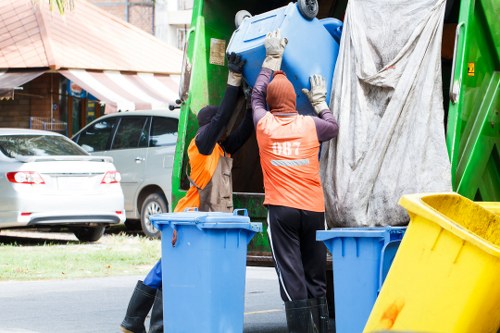
Our 70% recycling target is tracked quarterly and reported internally so we can iterate quickly on what works. We break this down into measurable components: increases in dry recycling capture, reductions in contamination, higher reuse rates for bulky items, and improved diversion of organic waste. Tommys rubbish teams are trained to spot contamination at the kerb and provide simple guidance to residents to improve bin quality.
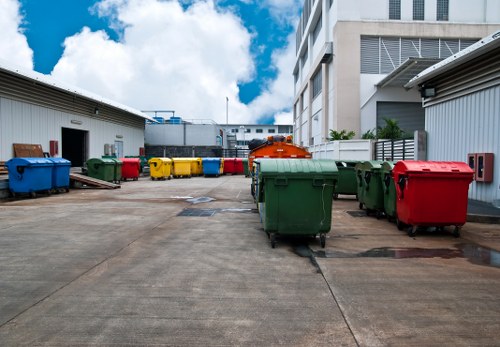 We also work closely with local transfer stations and neighbourhood hubs to speed up material sorting and decrease haulage times. These transfer stations serve as regional consolidation points where recyclable loads are consolidated, pre-sorted and redirected to specialist processors, helping us cut emissions and reduce handling costs while improving recycling rates.
To support these ambitions we run targeted pilot schemes with borough partners that test separate glass collections, expanded food waste capture and textile collection points. Tommy's Rubbish services use data from pilots to recommend borough-level changes and to scale successful interventions across neighbouring areas.
Local transfer stations and community partnerships
Our network of local transfer stations is a core part of the infrastructure enabling higher recycling performance. Transfer facilities allow us to sort out bulky recyclables, route electronic waste to certified processors and divert organics to composting or anaerobic digestion facilities. By reducing double-handling and optimizing routes, these hubs help lower carbon intensity per tonne collected.
 We place a strong emphasis on community and reuse. Partnerships with charities and social enterprises are central to our reuse strategy: furniture and household goods in reusable condition are redirected to local charity partners and social projects rather than being destroyed. This not only lowers waste volumes but supports local causes and provides affordable goods to those who need them most.
Our collaborations include collections coordinated with charities that handle textiles, books, working appliances and furniture. We also support food redistribution networks by prioritising surplus food from businesses to food banks and community kitchens where local logistics allow. These partnerships are practical examples of how TOMMYS RUBBISH contributes to a more circular local economy.
To further reduce footprint we are rolling out a fleet of low-carbon vans and alternative-fuel vehicles. Our operational plan includes electric vans for short urban routes, hybrid vehicles for mixed-distance work, and continuous route optimization software that cuts unnecessary mileage. These changes produce immediate emission reductions and position our fleet for a fully electric future.
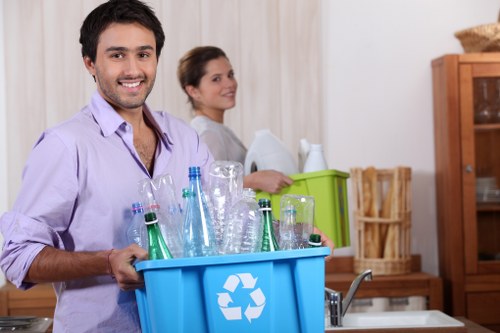
 We also encourage residents and businesses to take simple steps that multiply impact: clean and correctly sort recyclables, schedule bulky waste collections for reusable items, and use designated textile or electronics drop-off points. When communities cooperate with collection crews, contamination falls and the proportion of materials actually recycled rises.
Actions you???ll see from Tommys Rubbish:
- Regular reporting on progress toward our 70% recycling by 2030 target;
- Active use of local transfer stations to streamline sorting and lower emissions;
- Expanded partnerships with charities for reuse and redistribution of furniture, clothing and appliances;
- Deployment of low-carbon vans and route optimization to reduce fleet emissions;
- Community education focused on borough-specific waste separation rules and contamination reduction.
At Tommys Rubbish we believe sustainability is practical, measurable and community-driven. Whether you see our electric vans on your street, our teams at a transfer station, or a charity van taking a reusable sofa to a good home, every action contributes to a cleaner future. By combining clear targets, local partnerships, and investment in green fleet and infrastructure, Tommys Rubbish aims to set a high standard for responsible waste management across our service area.
Join us in reducing waste, increasing recycling and supporting local reuse ??? small changes in bin habits and donation choices create measurable environmental benefits when multiplied across neighbourhoods.