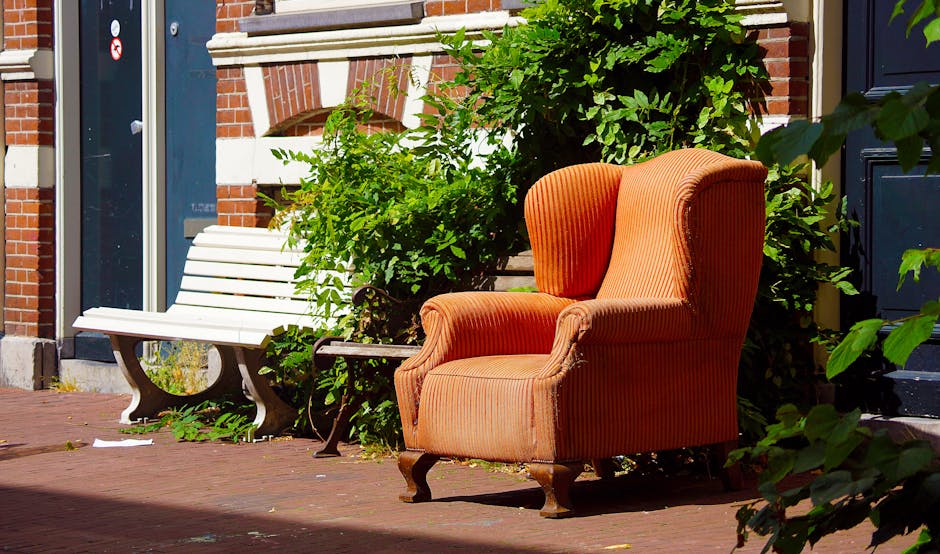
Quick Steps to Dispose Old Furniture Without Stress
Old furniture has a habit of lingering far longer than it should. One day the sofa is "fine for now," and the next it is taking up half the room, blocking a hallway, or making a move-out feel ten times harder than it needs to be. The good news? You do not need a complicated plan to get rid of it. With a calm, organised approach, Quick Steps to Dispose Old Furniture Without Stress can turn a messy job into a straightforward one.
This guide walks you through the smartest way to assess what can be reused, what needs to be collected, and what should be disposed of responsibly. You will also see when a DIY approach makes sense, when to use a professional service, and how to avoid the common mistakes that create extra cost, delays, or a backache nobody asked for.
Table of Contents
- Why Quick Steps to Dispose Old Furniture Without Stress Matters
- How Quick Steps to Dispose Old Furniture Without Stress Works
- Key Benefits and Practical Advantages
- Who This Is For and When It Makes Sense
- Step-by-Step Guidance
- Expert Tips for Better Results
- Common Mistakes to Avoid
- Tools, Resources and Recommendations
- Law, Compliance, Standards, or Best Practice
- Options, Methods, or Comparison Table
- Case Study or Real-World Example
- Practical Checklist
- Conclusion
- Frequently Asked Questions
Why Quick Steps to Dispose Old Furniture Without Stress Matters
Furniture disposal looks simple until you actually try to do it. A wardrobe may need dismantling, a sofa may not fit through the stairwell, and a mattress can be awkward to move even before you start thinking about where it should go. Add time pressure, parking issues, or a property deadline, and the task can become much more stressful than expected.
That is why a quick, practical process matters. It helps you make decisions early, avoid clutter building up, and choose the right disposal route before the item becomes a problem. It is especially useful if you are moving home, clearing a rental property, redesigning a room, or dealing with a bulky item that is simply no longer usable.
There is also a sustainability angle. Furniture contains a mix of materials: wood, metal, foam, fabric, screws, glass, and sometimes electrical components. Throwing it away without a plan can mean more waste than necessary. A good process makes reuse and recycling easier, which is better for both your home and the environment. If you want to take the responsible route, a service focused on recycling and sustainability can be a helpful place to start.
Practical summary: the less time you spend improvising on collection day, the less stressful the whole job becomes. Decide what stays, what goes, and how it leaves the property before you lift a single item.
How Quick Steps to Dispose Old Furniture Without Stress Works
The process works best when you treat furniture disposal as a short project rather than a one-off chore. You begin by identifying the item, then checking whether it can be reused, donated, sold, collected, or responsibly removed. After that, you choose the route that fits the size of the item, your available time, and the access at your property.
For many people, the simplest option is a dedicated collection service. That can be especially useful for large or heavy items such as wardrobes, sofas, beds, and office desks. If the item is part of a broader room clear-out, you may find it more efficient to combine it with furniture disposal or a wider rubbish removal service rather than handling everything separately.
The key is matching the method to the item. A single chair may be easy to pass on or drop at a reuse point. A three-piece sofa usually needs more planning. A bed frame may need disassembly. And if the furniture is damaged, stained, or unsafe to reuse, disposal becomes the more realistic option. You save time by deciding that up front instead of trying to rescue something that is past its best.
Key Benefits and Practical Advantages
The main benefit is obvious: less stress. But the advantages go beyond peace of mind. A structured approach gives you more control over timing, costs, and how the item is handled once it leaves your property.
- Faster decision-making: you stop delaying and move from "later" to "done".
- Safer handling: fewer injuries, scrapes, and awkward carries through narrow spaces.
- Cleaner spaces: old items stop occupying valuable storage or living space.
- Better recycling outcomes: reusable materials are more likely to be separated properly.
- Less disruption: collection can be planned around moving days, refurbishments, or tenant changeovers.
There is also a hidden benefit many people overlook: confidence. Once you know which route you are using, the job stops hanging over you mentally. That is often half the battle. A clear plan removes the nagging background noise that comes with clutter, especially in busy households or shared properties.
If you are disposing of more than one bulky piece, a broader service such as bulky waste collection can save time because it keeps the job in one visit rather than several trips. For bigger household clearances, home clearance or house clearance can be a more efficient fit.
Who This Is For and When It Makes Sense
This approach is useful for homeowners, tenants, landlords, property managers, office teams, and anyone trying to clear space without turning the day into a logistical headache. It is particularly relevant if you are dealing with one of the following situations:
- moving home and want to avoid transporting furniture you no longer need
- replacing a sofa, bed, mattress, or wardrobe
- clearing a rented flat between occupiers
- emptying a loft, garage, spare room, or office storage area
- dealing with inherited furniture that is too bulky to keep
- wanting to remove damaged or broken items quickly and responsibly
It also makes sense when the item is physically awkward. A heavy sideboard on its own can be manageable. The same item on a staircase landing, with no lift and a tight doorway, is a different story. In those cases, choosing a service that handles large item collection or bulky waste collection is often the calmer route.
Businesses can benefit too. Old desks, filing cabinets, reception seating, and storage units often need to be removed quickly so teams can keep working. If that sounds familiar, office clearance is a sensible option for commercial spaces.
Step-by-Step Guidance
Here is the simplest way to dispose of old furniture without creating avoidable stress.
1. Identify the item and its condition
Start by asking a basic question: is this furniture reusable, repairable, or ready for disposal? If it is structurally sound, clean, and safe, it may be worth donating or selling. If it is broken, badly stained, infested, or unsafe, disposal is usually the better choice.
Be realistic. A scratched table is one thing. A wobbly chair with a cracked frame is another. You are not obliged to become a furniture restorer at short notice.
2. Measure it before you move it
Measure the item and the routes out of the property: doors, hallways, stairwells, lifts, and any tight corners. This matters more than people expect. Some of the biggest delays happen when an item is fully unbolted and then simply will not fit through the exit.
If dismantling is likely, make a note of the tools needed and whether the fixings are reusable. Keep screws, brackets, and small parts in a labelled bag so reassembly or recycling is easier later.
3. Decide whether reuse is realistic
If the item still has value, check donation routes, local resale platforms, or community reuse schemes. Sofas, beds, and mattresses tend to have hygiene and condition considerations, so not everything can be passed on. For those items, dedicated services such as sofa removal, bed disposal, or mattress disposal are often more practical.
4. Choose the right disposal route
Your main options are usually:
- reuse or donation
- sell or give away
- council collection, where available
- private furniture collection or rubbish clearance
- self-transport to a suitable facility, if permitted and practical
For many households, professional collection is the lowest-stress route because it removes the lifting, transport, and disposal coordination from your to-do list. You can review a pricing and quotes page early in the process so you know what to expect before you commit.
5. Prepare the item for collection
Clear drawers, remove cushions, empty shelves, and tape loose parts securely. If the furniture has sharp edges or broken panels, take a little extra care. A small amount of prep can make collection smoother and safer for everyone involved.
For sofas and mattresses, it is worth separating covers or loose components where possible. Some properties also benefit from a full-room approach that combines sofa collection with mattress collection so the clearance is completed in one go.
6. Confirm access and timing
Think about parking, building access, lift reservations, and building rules. If you are in a flat, a managed block, or a busy street, these details can make the difference between a smooth collection and a frustrating one. A quick call or message ahead of time avoids the classic "the van is here, but the item can't move" problem.
7. Complete the handover and check the space
Once the item is removed, check for small pieces left behind: screws, washers, protective caps, and packaging. Then look at the space where the furniture stood. Most people feel an immediate sense of relief at this point. It is a good reminder that the job was worth doing properly.
Expert Tips for Better Results
A few small habits can make furniture disposal much easier.
- Prioritise the awkward items first. If the biggest sofa or heaviest cabinet goes out smoothly, the rest of the job usually feels easier.
- Bundle related items together. A bed frame, mattress, and side table often make more sense as one job than three separate ones.
- Use photos when requesting a quote. Good photos help avoid surprises and save time on the day.
- Separate reusable parts. Metal frames, intact wood panels, and clean fabric can sometimes be handled differently from the rest of the item.
- Plan around your own energy, not just the calendar. If you know you will be tired after work, do not schedule a heavy lifting session for late evening.
One of the best decisions you can make is to deal with old furniture earlier than you think you need to. Delaying disposal often increases stress because the item becomes background clutter, then moving-day panic, then a slightly embarrassing obstacle in the hallway. Truth be told, nobody enjoys tripping over a sofa arm for three weeks.
If the job includes mixed waste from a renovation or property refresh, it can help to combine the furniture with waste clearance or waste removal so you are not making separate arrangements for every item.
Common Mistakes to Avoid
Most furniture disposal problems are avoidable. Here are the ones that cause the most hassle.
- Not measuring first: guessing often leads to wasted time and unnecessary dismantling.
- Leaving the decision too late: last-minute bookings are harder to organise, especially for bulky items.
- Assuming all items can be donated: condition and safety matter, particularly for upholstered goods.
- Forgetting access issues: narrow stairs, shared entrances, and parking restrictions can slow everything down.
- Mixing furniture with the wrong waste stream: some items need separate handling, especially mattresses, fridges, or electricals.
- Trying to carry too much at once: the fastest way to make a simple job unpleasant is to overestimate your strength on a Tuesday evening.
There is also a trust mistake people make: choosing a service purely on speed without checking how the job will be handled. If you value responsible disposal, safety, and clear communication, look for providers that explain their process and disposal approach clearly, such as their health and safety policy and insurance and safety information.
Tools, Resources and Recommendations
You do not need a van-full of equipment, but a few basic tools help enormously.
- measuring tape for doorways, furniture and stair access
- hex keys, screwdrivers, and a small spanner set for dismantling
- strong gloves for grip and protection
- labels or marker pens for parts and fixings
- blankets or cardboard to protect floors and walls while moving items
- bin bags or tubs for loose cushions, screws, and fittings
For many households, the most useful resource is simply a clear service page that explains what can be collected. That is especially true if your item is a sofa, bed, mattress, or another large piece. Relevant starting points include furniture collection, furniture clearance, and furniture disposal.
If you are clearing a whole area rather than one item, a more specific service may be better. A cluttered garage, for example, can be handled more efficiently through garage clearance, while a loft full of mixed household items may suit loft clearance.
And if you are comparing providers, it is worth checking the practical basics too: about us, contact us, and terms and conditions. Those pages often tell you a lot about how the service works in practice.
Law, Compliance, Standards, or Best Practice
Furniture disposal in the UK is usually straightforward, but best practice still matters. The safest approach is to make sure your items are handed over to a legitimate, responsible collector or routed through a recognised collection system. That helps reduce the risk of fly-tipping or careless handling.
If you are using a council route, check the local process carefully because collection rules, fees, and item limits can vary by area. In some cases, a council large item collection may work well for a single item, while other situations may be better suited to council rubbish collection or council waste collection.
For specialist items, separate handling is often the norm. Mattresses, for example, can have hygiene and material-recovery considerations. Fridges and other appliances may need specific disposal or recycling routes. If your old furniture includes white goods or mixed household items, fridge disposal and white goods recycle are useful references.
It is also sensible to be careful with access and lifting safety. Heavy furniture can cause damage to walls, floors, lifts, and people if it is moved badly. A professional crew should have a sensible process for handling that, and you can usually judge this by how clearly they explain collection and safety expectations before booking.
Finally, if you are comparing services, look for transparent communication around payment and security and a clear complaints route. Small trust signals matter when you are allowing someone onto your property and asking them to remove bulky items.
Options, Methods, or Comparison Table
Different disposal methods suit different situations. Here is a practical comparison to help you choose quickly.
| Method | Best for | Pros | Trade-offs |
|---|---|---|---|
| Donate or reuse | Good-condition furniture | Low waste, potentially helpful to someone else | Condition checks, collection may not suit every item |
| Sell or give away | Items with usable life left | May recover some value, keeps items in use | Time spent messaging, arranging viewings, and waiting for pickup |
| Council collection | Single bulky items or scheduled local disposal | Useful and familiar, sometimes cost-effective | May have booking rules, item limits, or wait times |
| Private furniture collection | Busy households, movers, landlords, offices | Fast, convenient, less lifting for you | Usually depends on item type, volume, and access |
| General rubbish clearance | Mixed waste with furniture included | Good for whole-room or whole-property jobs | May be broader than needed if you only have one item |
If the project involves more than furniture alone, it may be worth looking at rubbish clearance or waste disposal for a broader solution. That often keeps the process cleaner and faster.
Case Study or Real-World Example
Consider a typical two-bedroom flat move. The living room has an old two-seater sofa, the bedroom has a worn bed frame and mattress, and the hallway has a tall shelving unit that no longer fits the new place. At first glance, it feels like three separate jobs. In practice, it is one organised clearance.
The quickest approach would be to measure each item, confirm access, and book a single visit that covers the sofa, bed, and shelves together. If the bed frame is dismantled in advance and the shelves are emptied, the collection becomes much easier. The entire flat looks calmer almost immediately, and the moving process stops being dominated by unwanted furniture.
This is where a dedicated service can be especially helpful. A single booking for sofa removal, bed disposal, and a small amount of home clearance is often more efficient than several separate attempts at disposal. It is not glamorous, but it is the sort of practical decision that saves time and nerves.
In a home office example, an outdated desk and broken chair might be paired with archived boxes and general clutter. In that case, office clearance or business waste removal may be the more appropriate fit. The point is not to overcomplicate the decision; it is to match the method to the mess.
Practical Checklist
Use this simple checklist before you arrange removal.
- Identify each furniture item and its condition
- Measure the item and the exit route
- Decide whether reuse, donation, or disposal is most realistic
- Check whether the item needs dismantling
- Remove loose contents, cushions, and small parts
- Confirm access, parking, and timing
- Choose the right collection or disposal route
- Review pricing, terms, and safety details before booking
- Keep the area clear for a smooth handover
- Check the space afterward for leftover fittings or debris
If your furniture is only one part of a bigger clear-out, you may also want to think about nearby storage spaces or outbuildings. A quick job in the living room can become a bigger one once you realise the garage or loft is full too. That is where linked services like house clearance and home clearance can be genuinely useful.
Conclusion
Disposing of old furniture does not need to be a drawn-out project. The calmest approach is simple: assess the item, choose the right route, prepare it properly, and book a collection or disposal method that matches the size and condition of what you have. Once you do that, the stress drops fast.
For many people, the biggest mistake is waiting too long. A sofa that sits in the corner for weeks does more than take up space; it quietly becomes part of the problem. Handle it early, and the whole room feels lighter. Handle it well, and you also feel like you have reclaimed control of the space, which is often the real win.
If you want a smoother, safer, and more efficient way to clear bulky items, compare the service options, check the practical details, and choose the route that saves you the most time and effort.
Get a free quote today and see how much you can save.
Frequently Asked Questions
What is the easiest way to dispose of old furniture without stress?
The easiest option is usually to decide early whether the item can be reused or should be collected. For bulky or awkward pieces, a professional collection service is often the least stressful route because it removes the lifting and transport from your side.
Can I leave old furniture out for council collection?
Sometimes, but it depends on your local council's rules. Councils often have specific booking systems, item limits, and placement instructions. Always check the local process first so you do not end up with an item sitting outside longer than planned.
How do I know if a sofa or bed can be donated?
It usually needs to be clean, intact, and safe to use. Upholstered furniture and mattresses often have stricter acceptance rules due to hygiene and condition standards. If the item is heavily worn or damaged, disposal is more realistic than donation.
Do I need to dismantle furniture before collection?
Not always, but dismantling can make collection easier, especially for wardrobes, bed frames, and oversized tables. If access is tight, taking furniture apart in advance often saves time and reduces the risk of damage to walls or floors.
What furniture items are considered bulky waste?
Bulky waste usually includes large household items such as sofas, chairs, tables, wardrobes, mattresses, bed frames, and similar oversized pieces. The exact definition can vary depending on the collection provider or council.
Is private furniture removal faster than council collection?
In many cases, yes. Private collection can be more flexible with timing and can often handle mixed items in one visit. Council services may be perfectly suitable, but they can involve more restrictions or longer wait times.
What should I do with damaged or broken furniture?
If the item is beyond repair, disposal is usually the sensible choice. Where possible, separate recyclable materials and avoid dumping it illegally. If the furniture is large or awkward, a dedicated removal service is often the safest option.
Can old furniture be collected with other waste?
Yes, often it can. Many people combine furniture with general household clutter, especially during moves or room clear-outs. In those cases, services such as rubbish clearance or waste removal can be more efficient than handling each item separately.
How much does furniture disposal usually cost?
Costs vary depending on the size, type, number of items, access, and whether dismantling is needed. The fairest way to understand cost is to request a quote based on the actual items and collection conditions rather than guessing from a general price.
What if my furniture is in a flat with no lift?
That is common, and it is exactly the kind of situation where planning matters. Measure stairways, note narrow turns, and choose a service that understands difficult access. A quick photo of the route can be surprisingly helpful when arranging collection.
Can furniture disposal be eco-friendly?
Yes, if the item is reused, repaired, or routed through responsible recycling. Choosing a provider with a clear sustainability approach makes a real difference, especially where the item contains mixed materials that need sorting.
What is the best option for a full room or full property clear-out?
If you are clearing multiple pieces or entire areas, broader services like home clearance, house clearance, or flat clearance are usually a better fit than booking each item separately. That keeps the job quicker and more coordinated.