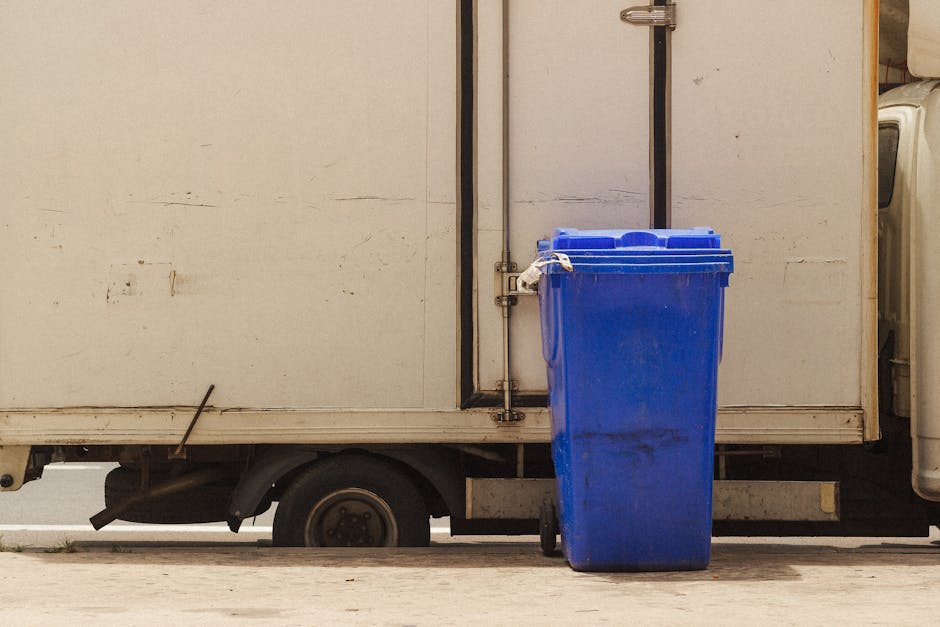
How to Prepare Bulky Waste for Council Collection Safely
Bulky waste has a way of turning a tidy home into a small obstacle course. One day it is an old wardrobe, a broken mattress, or a sofa you have meaning to deal with "next week"; the next, it is taking up half the hallway and making every trip to the kettle a bit awkward. If you are trying to work out How to Prepare Bulky Waste for Council Collection Safely, the good news is that the process is usually simpler than people expect. The not-so-good news? A few careless steps can create injury risks, missed collections, or damage to shared spaces.
This guide walks you through the practical side of preparing large items for council pickup: what counts as bulky waste, how the collection process usually works, how to reduce safety risks, what to do with awkward items, and where council collection fits alongside other options. I will also flag the common mistakes people make, because truth be told, those are often the bits that cost time and stress. Let's make it straightforward.
Contents
- Why How to Prepare Bulky Waste for Council Collection Safely Matters
- How How to Prepare Bulky Waste for Council Collection Safely Works
- Key Benefits and Practical Advantages
- Who This Is For and When It Makes Sense
- Step-by-Step Guidance
- Expert Tips for Better Results
- Common Mistakes to Avoid
- Tools, Resources and Recommendations
- Law, Compliance, Standards, or Best Practice
- Options, Methods, or Comparison Table
- Case Study or Real-World Example
- Practical Checklist
- Conclusion
- Frequently Asked Questions
Why How to Prepare Bulky Waste for Council Collection Safely Matters
Preparing bulky waste properly matters for three very plain reasons: people's safety, collection efficiency, and avoiding avoidable headaches. A council team or contractor is usually working on a tight route, often with limited time, narrow access, parked cars, and a long list of households to serve. If your item is unsafe to lift, has loose glass, sharp edges, hidden weight, or blocked access, the whole collection becomes slower and more risky.
Safety matters at home too. A surprising number of minor injuries happen before the item even leaves the front room. A mattress dragged awkwardly down stairs can catch on banisters. A freezer can be heavier than it looks once it is disconnected. A wardrobe can tip when its doors are still attached. It sounds obvious, but when you are in a rush and the van is due between 8 and 11 in the morning, obvious things get missed.
There is also the bigger picture. Council collections are often used because they are a practical route for responsibly disposing of large household items. When items are prepared well, they are more likely to be handled cleanly, separated for reuse or recycling where possible, and removed without creating litter or obstruction. A small amount of preparation can make a real difference.
Expert summary: The safest bulky-waste preparation is simple: reduce risk before collection day, make the item easy to move, keep access clear, and separate anything that could spill, cut, leak, or surprise someone lifting it.
How How to Prepare Bulky Waste for Council Collection Safely Works
Most council bulky waste collections follow a similar pattern, though the exact rules vary by local authority. You usually book a collection in advance, describe the items, and receive a date, time window, or set of instructions. Some councils collect from the kerb, some from an accessible ground-floor point, and some only take items left in a certain place on the property. That detail matters more than people expect.
The preparation part starts before collection day. You identify what is being taken, check whether the item needs dismantling, and make it safe to handle. In practice, that means removing loose contents, taping shut doors or drawers, wrapping sharp or broken edges, and making sure the item can get out of the property without a game of physical chess in the stairwell.
When the collection team arrives, they should be able to identify the item quickly, reach it safely, and move it without unnecessary lifting or rummaging. If the waste has been sorted sensibly, collection tends to be faster and less stressful. If it has not, everyone feels it. You will notice the delay instantly.
One useful way to think about bulky waste preparation is this: make it lighter, make it safer, make it easier to identify, and make it easier to reach. That is the core of it. No drama, no mystery, just good housekeeping with a practical edge.
Key Benefits and Practical Advantages
Doing the prep properly pays off in ways that are easy to underestimate.
- Less risk of injury: Properly prepared items are easier to carry, less likely to shift suddenly, and less likely to snag on fingers, clothing, or walls.
- Fewer missed collections: Clear access and correct placement reduce the chances of a collection being refused or delayed.
- Better protection for shared spaces: Hallways, lifts, and communal entrances are less likely to be scratched, blocked, or left messy.
- More straightforward handling: Councils and crews can load prepared items faster, which helps the day run smoothly.
- Potentially better reuse or recycling outcomes: Where items are intact and clean enough, parts may be easier to sort or recover.
There is also a calmer, more human benefit: less faff. To be fair, everyone knows the feeling of trying to wrestle a bulky item through a doorway and realising it should have been dismantled twenty minutes earlier. A bit of planning saves that moment.
Who This Is For and When It Makes Sense
This guidance is useful for anyone dealing with large household items, but it is especially helpful if you are:
- clearing out a home after a move, renovation, or downsizing
- replacing furniture, mattresses, or white goods
- helping a relative or tenant clear a room safely
- living in a flat, maisonette, or property with stairs or shared access
- trying to avoid hiring a skip for just one or two oversized items
- working to a council collection slot and need a simple prep plan
It also makes sense if the item is awkward rather than truly huge. A bulky waste item does not have to be gigantic to cause trouble. A heavy chest of drawers with a loose back panel, a sofa bed with a jammed mechanism, or an old fridge with a slippery base can all be surprisingly difficult.
If you are deciding between council collection and another waste removal option, think about access, urgency, item condition, and whether you can safely move the item yourself. Sometimes council collection is the best fit. Sometimes it is not. And that is perfectly fine.
Step-by-Step Guidance
Here is a practical process you can follow. Not fancy, just useful.
1. Identify exactly what needs collecting
Walk through the space and list each item. Be specific. "Old furniture" is not as helpful as "two-seat sofa, pine wardrobe, broken bedside cabinet, and mattress." Accurate descriptions reduce confusion, especially if the council has item limits or charging rules.
If an item contains other materials, note that too. For example, a desk may have glass, metal runners, and loose cables. A fridge may need special handling because of its components. A sofa may have springs or broken frame pieces sticking out underneath.
2. Check the collection rules before touching anything
Council services can vary a lot. Some only collect from outside. Some allow a ground-floor handover. Some require items to be booked individually. Some exclude certain materials. Checking the rules first saves you from dismantling something you should have left intact, or worse, moving a heavy item to the kerb only to find it will not be taken that day.
If you are in London, local collection arrangements can differ even between neighbouring boroughs. It is worth confirming the practical details early rather than assuming a standard process. That little bit of checking really does matter.
3. Make the item safe to handle
Safety preparation depends on the item, but the usual basics are:
- remove all contents, shelves, and drawers where possible
- close and tape doors or lids shut
- wrap sharp corners, broken glass, or splintered wood
- secure loose cables, springs, or fittings
- drain or empty anything that may leak or smell
If the item is broken already, assume someone may still grab the weakest part while lifting it. Reinforce handles or frame sections if needed. Better a little tape and cardboard now than a nasty cut later.
4. Dismantle what can be dismantled safely
Breaking large items into manageable parts can make a massive difference. A wardrobe without doors and shelves is easier to carry. A bed frame separated into side rails and headboard is safer than a single awkward shape. But do not dismantle something if it will weaken the item to the point of collapse during movement. Use judgement.
If you have lost the instructions, common-sense dismantling is often enough: remove legs, take out drawers, detach cushions, and unscrew obvious fixings. Do not force seized bolts with too much enthusiasm. That is how a "quick job" becomes a broken knuckle and a bad mood.
5. Plan the route out of the property
Measure doorways, turns, stair corners, and lift openings before collection day. If the item is only just going to fit, protect walls and frames with blankets or cardboard and have a second person ready. In flats, check whether there is lift access and whether the item can be moved without blocking neighbours or fire exits.
A five-minute route check can prevent a thirty-minute struggle. I have seen people spend longer arguing with a sofa than it would have taken to dismantle it in the first place. Happens all the time.
6. Put the item in the right place at the right time
Follow the council's instructions exactly. If the service is kerbside, place the item where it can be collected without entering private space. If the service allows front-garden placement, keep it visible and accessible. Do not block pavements, driveways, or shared entrances.
If several items are being collected, group them neatly and leave enough room for the crew to move around safely. Items should not be stacked in a way that creates a topple hazard.
7. Keep hazardous or restricted items separate
Do not place batteries, paints, chemicals, gas canisters, needles, clinical waste, or unknown liquids with ordinary bulky waste. Those materials may need a different route. If in doubt, set them aside and check separately. Mixed waste is where trouble starts, and there is no point pretending otherwise.
8. Do a final safety sweep
Just before collection, walk the route one last time. Look for:
- trip hazards
- loose screws, nails, or glass
- items that could blow away
- blocked pavements or gates
- wet floors, slippery patches, or low lighting if collection is early morning
That last one sounds trivial, but a wet patch at the top of stairs or a dark corner by the gate can be enough to make things awkward. Small checks, big difference.
Expert Tips for Better Results
Once you understand the basics, a few extra habits make bulky waste preparation much easier.
- Photograph the item before collection: This helps if there is any question about what was booked or what condition it was in.
- Use moving blankets or old towels: They protect walls and floors when an item has to pass through tight spaces.
- Label grouped items: A simple note such as "collect" or "bedroom" can stop confusion if several items are being moved.
- Keep screws and fixings in a small bag: If you are dismantling items, tape the bag to one larger piece or keep it clearly separate.
- Think about neighbours: In shared buildings, a blocked corridor is more than annoying; it can become a safety issue very quickly.
One practical tip people miss: if an item is especially awkward, rehearse the move with a dry run. Stand at the door and visualise the turn. You will usually spot the problem before you start lifting. It sounds a bit overcautious, but it saves effort.
Another useful habit is to keep a small toolkit nearby on collection day: screwdriver, strong tape, marker pen, gloves, and a torch if the route is dim. Nothing elaborate. Just enough to deal with one last-minute wobble.
Common Mistakes to Avoid
Most bulky waste problems come from the same few mistakes. Avoid these and you are already ahead.
Leaving items too heavy or too complete
People often assume the crew will do all the work. Sometimes they can help, but you should never rely on that. If the item is clearly safer in parts, dismantle it first where you can do so safely.
Forgetting hidden contents
Drawers, cupboards, freezer compartments, and storage ottomans are full of surprises. Remove everything. A filing cabinet full of papers is not just heavier; it can shift mid-lift and throw someone off balance.
Mixing prohibited materials into the pile
Batteries, liquids, sharp medical items, and chemical containers should not be mixed in casually. That kind of shortcut causes refusals and safety issues.
Blocking access
Bins, bikes, prams, and parking cones may seem harmless, but on collection day they create friction. If the route is narrow, clear it properly.
Placing items out too early
Leaving bulky waste outside for days can lead to weather damage, vandalism, or fly-tipping by others. Keep items protected and put them out only when instructed.
Ignoring sharp edges and unstable parts
A broken headboard, cracked plastic shell, or twisted metal spring can catch skin or clothing. Wrap or pad these areas. Really, it is basic kindness to the next person handling it.
Tools, Resources and Recommendations
You do not need specialist kit for most collections, but a few low-cost tools make the job much safer and calmer.
| Tool or item | Why it helps | Best use case |
|---|---|---|
| Strong tape | Keeps doors, drawers, and loose parts shut | Wardrobes, cabinets, beds, small appliances |
| Work gloves | Protects hands from splinters, grime, and sharp edges | Any item with rough or broken surfaces |
| Moving blanket or old towel | Reduces scuffs to walls and floors | Large furniture, stairwells, tight hallways |
| Screwdriver set | Helps remove legs, handles, and fittings | Flat-pack furniture, bed frames, tables |
| Marker pen and labels | Makes grouped items easier to identify | Multi-item clearances or shared properties |
| Torch | Helps inspect dark corners, back panels, and stair routes | Early morning collections or dim hallways |
For readers comparing disposal routes, the site's service pages can be helpful. If you are dealing with single large household items, look at large item collection. If the problem is more about multiple pieces of furniture, the furniture collection and furniture disposal pages are useful starting points. For mattresses, there is a dedicated mattress collection option, and for sofas, you may want to check sofa collection.
If your bulky waste sits alongside other household clutter, clearance services such as house clearance, home clearance, or flat clearance may be more practical. That depends on scale, access, and how much sorting you want to do yourself.
Law, Compliance, Standards, or Best Practice
With bulky waste, the safest approach is to follow your council's published collection instructions and any building rules that apply to your property. In many cases, the practical requirements matter more than legal fine print: where items must be placed, what can be collected, how access should be kept clear, and what must not be mixed with household waste.
If you live in shared accommodation or a block of flats, the building's health and safety rules may also matter. Fire exits should never be blocked, stairwells should not be used as storage, and lifting items through communal areas should be done with care. That is standard common sense, but common sense is easy to lose on a busy collection day.
For waste handling generally, best practice is to keep material streams separate where possible, protect workers from cuts and strains, and avoid placing dangerous materials into general bulky waste. If you are unsure whether something counts as hazardous or restricted, treat it separately until you have checked. Better safe than sorry, as people say for a reason.
Reputable waste services also tend to publish their own safety and operational information. Pages such as insurance and safety, health and safety policy, and recycling and sustainability can help you judge whether a provider's approach feels organised and responsible.
Options, Methods, or Comparison Table
Not every bulky waste job should be handled the same way. Sometimes council collection is ideal; sometimes another route is faster or simpler. Here is a straightforward comparison.
| Option | Best for | Strengths | Trade-offs |
|---|---|---|---|
| Council bulky waste collection | Single items or a limited number of household goods | Familiar process, often straightforward, suitable for planned disposal | May involve booking windows, item limits, or strict placement rules |
| Private bulky waste removal | Urgent jobs, difficult access, larger quantities | More flexible timing, can handle more varied loads | Usually costs more, so planning matters |
| Re-use, donation, or resale | Usable furniture or appliances in decent condition | Can extend item life and reduce waste | Not suitable for damaged, stained, or unsafe items |
| Drop-off at a site or reuse route | People with transport and time | May be efficient for certain materials | Requires vehicle access and lifting effort |
If cost is part of your decision, it can help to compare a council route with a private collection quote. Some people find the council route perfectly adequate for one sofa or mattress. Others discover that the time saved by a direct collection is worth it, especially when stairs are involved. There is no one-size-fits-all answer, annoying as that sounds.
Case Study or Real-World Example
Imagine a typical London flat clear-out. A resident has a three-seat sofa, a broken bedside cabinet, and an old mattress to remove before new furniture arrives. The flat is on the second floor, the lift is too small for the sofa, and the hallway is narrow. The first instinct is to haul everything down on the day and hope for the best. That is usually where people get into trouble.
A safer plan looks different. The resident checks the council instructions first and confirms what can be collected and where it needs to be placed. The sofa is measured against the stair turn, and the removable feet are taken off in advance. Cushions are removed and kept indoors. The bedside cabinet is emptied, the loose back panel is taped down, and the mattress is kept clean and dry. A neighbour is warned about the temporary movement through the landing, and blankets are placed near the sharp corner by the stairwell.
On collection morning, everything is ready. There is no last-minute scrambling, no blocked hallway, and no "where did the screws go?" panic. The whole thing feels a lot less dramatic. That is usually the mark of good preparation: it looks almost boring when it works.
Now, if the same resident had also found a pile of old clothes, a broken lamp, and a few bits of spare wood, it might have made more sense to look at a broader service such as rubbish clearance or waste clearance. Sometimes the job expands once you start looking, and that is normal.
Practical Checklist
Use this on the day before collection. Simple and effective.
- Confirm the collection date, time window, and exact placement instructions.
- List every bulky item and check whether any have special handling needs.
- Remove contents from drawers, cupboards, and storage compartments.
- Dismantle only what can be safely dismantled without making the item unstable.
- Secure doors, lids, and loose parts with tape or ties.
- Wrap or pad sharp edges, broken sections, and fragile surfaces.
- Keep batteries, liquids, chemicals, and hazardous items separate.
- Clear the route from the item to the collection point.
- Protect floors, walls, and door frames if the route is tight.
- Place items where instructed, not sooner than necessary.
- Do one last walk-through for trip hazards, spill risks, and blocked access.
If you can tick those boxes, you are in a strong position. Not perfect, maybe, but strong enough for a smooth collection day. And that is really what most people want.
Get a free quote today and see how much you can save.
Conclusion
Preparing bulky waste for council collection safely is not about doing a hundred extra tasks. It is about doing a few sensible ones well. Identify the items clearly, follow the council's instructions, reduce lifting risk, protect shared spaces, and keep anything hazardous or awkward separate. That is the whole game, really.
When you take the time to prepare properly, the collection usually feels less stressful, less messy, and less physically demanding. You also make life easier for the people collecting the waste, which never hurts. If you are looking at a sofa in the corner, or a mattress that has been waiting far too long, start with one step. Then another. Before long, the job is smaller than it looked at first glance.
And if that old pile in the hall has been bothering you for a while, fair enough. It happens. The good news is that the right prep makes the whole thing much more manageable, and sometimes that is all the encouragement you need.
Frequently Asked Questions
What counts as bulky waste for council collection?
Bulky waste usually means large household items that are too big to fit in normal bins, such as furniture, mattresses, bed frames, and some appliances. Councils can define this a little differently, so check the local list before booking.
Do I need to dismantle furniture before collection?
Not always, but it often helps if the item is safer and easier to move in parts. Remove legs, shelves, drawers, and cushions where practical. Do not dismantle something in a way that makes it unstable or dangerous.
Can the council take my sofa or mattress?
In many areas, yes, but the exact rules vary. Some councils treat sofas and mattresses as standard bulky items, while others have limits or separate booking requirements. Check the collection instructions before leaving anything out.
Should I leave bulky waste at the kerbside?
Only if your council says to do that. Some services require kerbside placement, while others collect from a front garden or another designated point. Putting items out in the wrong place can lead to a missed collection.
How do I make large items safer to handle?
Empty them first, secure loose parts, tape doors or lids shut, wrap sharp edges, and keep the route clear. If the item is broken, assume its weakest point may be grabbed during lifting, and reinforce accordingly.
What should I do with batteries, liquids, or chemicals?
Keep them separate from bulky waste. Those materials may need different handling and should not be mixed casually with furniture or general household items.
Can I put several bulky items out together?
Usually yes, if the council booking allows it and you stay within any item limits. Group them neatly and make sure they do not block access or create a falling hazard.
What if the item is too heavy for me to move safely?
Do not force it. Heavy lifting gone wrong is a common source of injury. Break the item down if you can do so safely, ask for help, or use a service that can manage the lifting for you.
How early should I put bulky waste out for collection?
Only put it out when the council instructs you to do so. Leaving it outside too early can create mess, weather damage, or the risk of someone else adding rubbish to your pile.
Is council collection better than hiring a private removal service?
It depends on the job. Council collection can be suitable for a limited number of items and planned disposal. A private service may suit urgent jobs, difficult access, or larger clearances. Compare convenience, item type, and timing.
What if I live in a flat with narrow stairs or a small lift?
Measure access before collection day, dismantle what you can safely dismantle, and protect walls and corners. If the route is especially tight, it may be worth considering a collection service with more flexibility.
Can bulky waste be recycled or reused?
Sometimes, yes. Items in good condition may be suitable for reuse, and some materials may be recycled depending on the item and local processing options. Clean, separated items are usually easier to handle responsibly.
What is the biggest mistake people make with bulky waste?
The biggest mistake is underestimating the lift. People often leave items full, loose, or poorly planned, then discover the hard way that a sofa or wardrobe can become awkward very quickly. A little prep makes a big difference.