Don't Toss These Items: Common Wrongful Disposal Errors
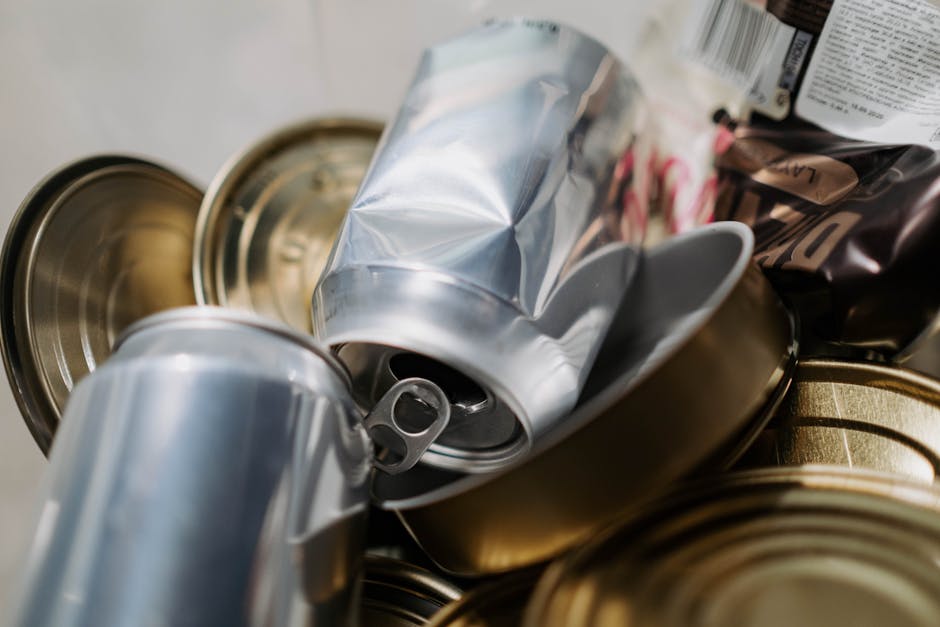
If you have ever stood in the kitchen with a broken toaster, a bag of old cables, and a half-full paint tin wondering, "Can this just go in the bin?", you are not alone. Don't Toss These Items: Common Wrongful Disposal Errors is really about spotting the things people throw away incorrectly, why that causes problems, and what to do instead. A lot of disposal mistakes are small on the surface. Then they turn into blocked recycling loads, safety risks, missed council rules, or items that could have been reused, repaired, or collected properly.
Truth be told, most wrongful disposal errors happen because people are in a hurry. The item is bulky, dirty, awkward, or just confusing. That's where a little practical know-how helps. In this guide, we'll walk through the common mistakes, the items people most often toss by accident, and a simple way to decide what belongs in reuse, recycling, specialist disposal, or a proper removal service.
- Why it matters
- How it works
- Key benefits and practical advantages
- Who needs this and when it makes sense
- Step-by-step guidance
- Expert tips
- Common mistakes to avoid
- Tools, resources and recommendations
- Law, compliance, standards, or best practice
- Options, methods, or comparison table
- Case study or real-world example
- Practical checklist
- Conclusion
- Frequently asked questions
Why Don't Toss These Items: Common Wrongful Disposal Errors Matters
Wrongful disposal is not just a tidy-up problem. It affects safety, cost, recycling quality, and sometimes compliance too. One wrongly placed item can contaminate a whole load, especially in mixed recycling or bulky waste collections. A damp mattress, a battery hidden in a drawer, or a fridge left at the kerb without proper handling can cause more hassle than people expect. And yes, the smallest mistake can be the one that creates the messiest outcome.
There is also a practical side that often gets missed. Many items people throw away are not true waste yet. They may still have value in resale, donation, repair, or materials recovery. In our experience, households often over-dispose because they simply do not know the alternatives. Businesses do it too, especially when clearing offices, stores, or storage rooms under time pressure.
For Londoners in particular, space constraints make this even more noticeable. Flats, terraces, shared bins, and controlled access can lead to rushed decisions. The result is often a pile of "I'll deal with it later" items that quietly becomes a disposal problem. Later, of course, arrives with interest.
Key takeaway: wrongful disposal errors are usually avoidable, and the best fix is a simple sorting habit: identify the item, check whether it can be reused or recycled, and only then choose the correct disposal route.
How Don't Toss These Items: Common Wrongful Disposal Errors Works
The phrase may sound like a warning label, but the idea is straightforward. You look at an item and decide whether it belongs in:
- general waste
- household recycling
- food or garden waste where available
- specialist collection
- reuse, donation, or repair
- bulky waste or clearance services
The issue is that many items do not fit neatly into one box. A sofa may be reusable, but only if it is clean and structurally sound. A fridge may be recyclable, but only if it is collected and processed correctly because of cooling gases and electrical components. Old paint, fluorescent tubes, and batteries are another story entirely. They are common household objects, yet they should not be treated like ordinary rubbish.
The "wrongful disposal error" part happens when the item is put into the easiest bin rather than the correct one. To be fair, that's understandable. Most people do not keep a mental list of every awkward thing in the home. But once you know the patterns, the decision gets much easier.
Here's the simplest working rule: if an item is hazardous, bulky, electrical, pressurised, or likely to contaminate recycling, pause before tossing it. That pause saves trouble later.
Key Benefits and Practical Advantages
Getting disposal right offers more than a clean floor and an empty hallway. It gives you better control over time, cost, and risk. And in busy homes or workplaces, that matters a lot.
- Fewer missed collections: the right items go to the right route, so you avoid rejected loads or extra sorting.
- Safer handling: batteries, sharp items, broken glass, and white goods are managed more carefully.
- Better recycling outcomes: clean, correctly separated materials are easier to recover.
- Less clutter: useful items can move into donation or clearance instead of hanging around "just in case".
- More predictable costs: the more organised the load, the easier it is to choose the right collection method.
There is also a quieter benefit: peace of mind. When the job is done properly, you stop second-guessing yourself. No lingering "did I put that in the wrong bin?" feeling. That's worth something, honestly.
Who This Is For and When It Makes Sense
This guidance is for anyone who deals with household waste, business rubbish, or awkward items that are not quite standard bin fare. If you are moving house, clearing a flat, replacing furniture, or dealing with old appliances, it makes perfect sense. If you are a landlord, facilities manager, shop owner, or office organiser, it makes even more sense because one disposal mistake can affect several people at once.
It is especially useful when you are handling:
- bulky items that won't fit in normal bins
- broken electricals and white goods
- old furniture from a rental or refurbishment
- garage, loft, or shed clear-outs
- builders' offcuts and mixed waste from renovation work
- items that might still be reusable but are awkward to move
If you are deciding between council collections and private removal, a reliable starting point is the type of item and how quickly you need it gone. For many larger or mixed loads, a service such as bulky waste collection can be more practical than trying to piece together several disposal options.
And yes, sometimes the whole situation begins with "I only meant to clear one cupboard." That cupboard usually has other plans.
Step-by-Step Guidance
The cleanest way to avoid wrongful disposal is to sort first and move second. A calm 10-minute review can save an hour of reshuffling later. Here is a simple process that works in real homes and real workplaces.
- Identify the item clearly. Ask what it is made of, whether it contains power cells, glass, chemicals, fabric, or metal, and whether it has detachable parts.
- Check for reuse potential. Could someone else use it? If it is clean, working, and safe, it may belong in reuse rather than waste.
- Separate hazardous or special items. Keep batteries, paint, aerosols, oils, vapes, sharps, and electronics out of general rubbish.
- Group similar items together. For example, pile furniture in one area, electricals in another, and textiles separately if they are being kept for donation or collection.
- Decide between council, donation, or private removal. If the item is bulky or part of a mixed load, compare collection routes before setting it outside.
- Prepare the item properly. Empty drawers, tape loose doors, bag small loose components, and remove anything that could fall out during handling.
- Arrange the right collection. For household furniture and similar large items, a service such as furniture disposal or rubbish removal may be the most straightforward route.
One useful habit: make a "keep, donate, recycle, remove" set of piles. It sounds almost too simple, but it works. The moment everything is dumped into one corner, decision fatigue kicks in. Then the whole room starts looking like a temporary storage unit. Not ideal.
Expert Tips for Better Results
There are a few practical tricks that make wrongful disposal far less likely. None of them are flashy. They just save time and reduce mistakes.
- Check items before bin day, not on bin day. Rushed sorting is when errors happen.
- Keep a small "special waste" box. Use it for batteries, chargers, old bulbs, and small electronics until you can dispose of them properly.
- Do not trust labels blindly. "Recyclable" on a package does not always mean your local collection accepts it in the same way.
- Break down bulky items safely. Only if it is genuinely safe to do so. A wobbly wardrobe in a narrow hallway is a classic way to create more work, not less.
- Think about contamination. Food residue, liquid, dirt, and mixed materials can affect recycling quality.
- Use the right service for the job. For appliances like fridges, proper handling matters because of internal components and refrigerants. A dedicated option such as fridge disposal is often the sensible choice.
One practical detail people overlook: handles, cords, and screws. They may seem tiny, but they are the bits that snag, tear bags, or trip someone carrying the load. We've all seen that one loose cable become the villain of the day.
Rhetorical question time: if you know an item needs special handling, why leave it until the last minute? That delay is how bad decisions sneak in.
Common Mistakes to Avoid
This is the section that saves the most grief. Most disposal errors repeat the same pattern: convenience wins over correctness. Here are the big ones.
- Tossing electrical items in general waste. Chargers, cables, kettles, and small appliances often need separate handling.
- Mixing batteries with loose rubbish. Batteries can be a safety issue and should be kept apart until collected properly.
- Dumping furniture too early. A sofa or table may be suitable for reuse, donation, or repair.
- Leaving fridge and freezer doors unsecured. This is a safety issue during storage and collection.
- Throwing out paint, solvents, or aerosols with normal waste. These items can require specialist treatment.
- Assuming the council will take everything on the kerb. Councils and collection rules vary, and some items need a booked service or separate arrangement.
- Overfilling recycling with contaminated material. One greasy container can affect a whole bag or caddy, depending on the local system.
- Forgetting about hidden items. A sofa with coins, batteries, or documents tucked inside is more common than you'd think.
Another common mistake is splitting the load too late. People decide what to keep, then leave all the rest in one heap for "later sorting." Later sorting becomes later removal, which becomes later stress. You know how it goes.
Tools, Resources and Recommendations
You do not need specialist equipment to avoid disposal mistakes, but a few simple tools help a lot.
- Heavy-duty sacks or rubble bags: useful for separating rubbish into manageable categories.
- Marker pen and labels: perfect for marking "recycle," "donate," "keep," or "special disposal".
- Basic gloves: handy when handling dusty loft contents, broken fittings, or sharp edges.
- Bin liners for small loose items: keep batteries, cables, and chargers together until you are ready to sort them.
- Tape and boxes: useful for securing appliance doors, loose shelves, or fragile pieces.
For larger household jobs, the right clearance service can make the process much easier. If the job involves furniture, mixed household rubbish, or a room full of awkward items, waste clearance or home clearance can be a practical fit. For smaller but still bulky loads, bulk waste collection may be the better option.
There is also a sustainability angle worth keeping in mind. Choosing reuse or proper recycling, where possible, reduces the amount of material that ends up being treated as simple rubbish. If that matters to you, a page like recycling and sustainability is a sensible place to start reading more about a responsible approach.
Law, Compliance, Standards, or Best Practice
Without getting tangled in legal jargon, the main idea is simple: waste should be managed responsibly, and certain items need extra care. In the UK, households and businesses are generally expected to separate and present waste in line with local collection rules, and businesses have additional duties around storage, transfer, and disposal of commercial waste. The exact requirements can vary by council and by item type, so it is worth checking what applies before you leave anything out.
Best practice usually means:
- keeping hazardous items apart from ordinary waste
- not obstructing pavements or access routes with piles of rubbish
- using a licensed, insured, and suitable collection route for larger or mixed loads
- keeping records or receipts where a business needs proof of proper disposal
If you are comparing collection options for household or business waste, you may also want to review services such as council rubbish collection, council waste collection, or a private business waste removal service, depending on the type of item and how quickly it needs clearing.
For private operators, it is sensible to look at practical policies too. Pages such as health and safety policy, insurance and safety, and payment and security help build trust around how a company handles collections. That may sound dry, but it matters when you are letting someone take bulky items from your home or workplace.
Options, Methods, or Comparison Table
Different disposal routes make sense for different items. A quick comparison can help you avoid forcing the wrong solution onto the wrong load.
| Disposal route | Best for | Strengths | Watch-outs |
|---|---|---|---|
| Council collection | Standard household waste and booked bulky items | Familiar, straightforward, often cost-conscious | May have limits on item type, timing, and quantity |
| Private bulky waste collection | Sofas, beds, white goods, mixed home loads | Flexible timing, convenient for larger awkward items | Check what is included and how items are handled |
| Reuse or donation | Clean, safe, working furniture and household items | Extends item life, reduces waste | Only suitable if the item is genuinely usable |
| Specialist disposal | Fridges, mattresses, electricals, batteries, hazardous household items | Better for safety and correct treatment | May need a booked service or separate handling |
If your job involves mattresses or old bedroom furniture, dedicated services such as mattress disposal, mattress collection, bed disposal, or sofa removal can be a better match than a generic bin plan. That is especially true when access is tight or the item is too bulky to manage alone.
Case Study or Real-World Example
Picture a small flat clear-out in London on a damp weekday morning. The hallway is narrow, there is a broken desk chair, an old microwave, two bags of mixed cables, and a fridge that stopped cooling properly months ago. At first glance, it all looks like "one big rubbish job." But it is not. The chair might be reusable, the microwave needs electrical disposal, the cables should be separated, and the fridge needs specialist handling.
In a case like that, sorting the items first changes the whole job. The reusable chair can be checked and moved aside. The fridge can be booked for proper collection. The microwave and cables can be grouped with other electricals. Suddenly, the load is smaller, safer, and far less chaotic. The room stops feeling like a collapsing storage cupboard, and the exit path is clear. Small win, but a real one.
We see this pattern again and again in house clearances, garage clear-outs, and post-move rubbish piles. What looked like a disposal issue is often really a sorting issue. Once the sorting is done, the rest becomes much easier. Not glamorous, but effective.
If the project is bigger, a service such as house clearance, flat clearance, or garage clearance can save a lot of time and remove the guesswork.
Practical Checklist
Use this quick checklist before you throw anything away. It is simple, but it catches most mistakes.
- Have I checked whether the item can be reused, sold, donated, or repaired?
- Does it contain batteries, wiring, refrigerant, chemicals, or pressurised contents?
- Is it too bulky, heavy, or awkward for normal bin disposal?
- Could it contaminate recycling if it is dirty, wet, or mixed with other materials?
- Does it need a specialist collection or council booking?
- Have I removed loose contents, valuables, or detachable parts?
- Have I grouped similar items together for easier loading?
- Do I know the local rules or collection limits that apply?
- If I'm unsure, have I paused instead of guessing?
Quick decision rule: if you hesitate for more than a few seconds, it probably deserves a second look. That tiny pause saves a surprising amount of hassle.
Conclusion
Don't toss these items without thinking. That is the real message here. Common wrongful disposal errors usually come from speed, habit, or uncertainty, not from carelessness. Once you know what to look for, the picture gets much clearer: sort first, separate special items, and choose the correct route for bulky or awkward waste.
Whether you are clearing a single room or managing a larger home or business load, the same rule holds. The right disposal choice is rarely the fastest in the moment, but it is almost always the calmer one in the end. And honestly, calmer is underrated.
If you are facing a pile of furniture, appliances, or mixed waste and want a straightforward solution, consider a proper collection service rather than forcing everything into one bin plan. It's one less thing to worry about, and sometimes that is exactly what you need on a busy day.
Get a free quote today and see how much you can save.
And if all you manage today is sorting the worst of the pile, that still counts. Progress is progress.
Frequently Asked Questions
What are the most common wrongful disposal errors?
The most common mistakes are throwing electrical items in general waste, mixing batteries with rubbish, disposing of furniture too early, and putting special items like paint or fridges into the wrong collection stream.
Why is it a problem to throw batteries in the bin?
Batteries can create safety risks and should be kept separate from ordinary rubbish. They are better handled through the appropriate collection route or drop-off process rather than being mixed into household waste.
Can I put old furniture on the kerb for collection?
Sometimes, but not always. It depends on local collection rules and the item itself. Clean, reusable furniture may be better donated or collected through a furniture removal service, while damaged items may need bulky waste collection.
What should I do with an old fridge or freezer?
Fridges and freezers should be handled as white goods and collected properly because they contain components that need special treatment. A dedicated fridge disposal service is usually the safest option.
How do I know if something can be recycled?
Check what the item is made of, whether it is clean, and whether your local collection accepts it. Mixed-material or dirty items are often the ones that cause problems, so when in doubt, separate and verify before placing it out.
Is council collection always the cheapest option?
Not always. Councils can be cost-effective for some items, but bulky or mixed loads may be easier and sometimes better value through a private collection service, especially if speed and convenience matter.
What items are usually classed as special waste?
Items such as batteries, paint, solvents, aerosols, fluorescent tubes, and some electrical appliances often need special handling. The exact handling route depends on the item and local guidance.
Can I donate items instead of throwing them away?
Yes, if the item is clean, safe, and still usable. Donation is often a good option for furniture, homeware, and some electrical items, provided they are in decent condition.
What if I have a lot of mixed rubbish from a clear-out?
For mixed loads, a clearance service is often the simplest route. Home clearances, waste clearance, and rubbish removal services are designed to handle a range of items without you needing to sort everything into separate trips.
Do businesses have different disposal responsibilities than households?
Yes, businesses usually have additional responsibilities around storing, transferring, and documenting waste properly. Commercial waste should be handled carefully, and a business waste removal service may be the better option for workplace clear-outs.
How can I stop making the same disposal mistakes again?
Keep a small special-waste box, label items during sorting, and decide early whether something is for reuse, recycling, or disposal. A simple habit on collection day prevents most repeat errors.
What if I am not sure whether an item is safe to move?
Do not force it. If an item is heavy, broken, leaking, sharp, or may contain hazardous material, set it aside and use a suitable collection route. Safety first, even if it means the job takes a bit longer.